

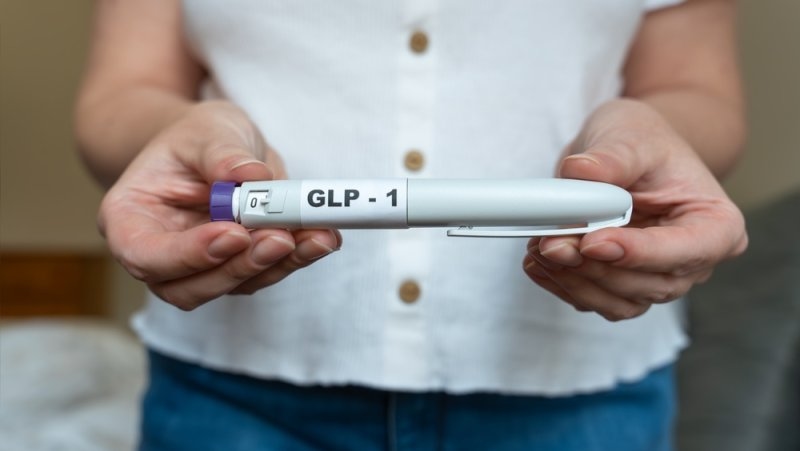
From physician approach, GLP-1 medicines have revolutionized medical treatment of type two diabetes and obesity. As prescription drugs, they help to stabilize blood glucose and may result in appetite suppression and a considerable change in GLP-1 weight loss when combined with lifestyle changes.
Taking the time to learn about medical history as well as potential effects, GLP-1 benefits, and risks may have some bearing on considering whether or not to use this prescription drug.
GLP-1 medication is an oral or injected prescription that influences hormones in the gut, such as glucagon-like peptide-1. Once you've had food to eat, your gut releases GLP-1 to manage blood sugar and to make you less hungry. That is why medication of this kind is increasingly becoming a popular choice in doctors' offices.
The idea behind GLP-1 drugs explained here is that treatment centers around simplifying how these medications work, which involves: helping your body release more insulin, thereby reducing glucose released from your liver, and decreasing your hunger to aid the process in controlling blood sugar.
Medication administered in this class has similar actions as the hormoneGLP-1 itself, but at specific receptors throughout the body. When eaten, this medication affects the pancreas and encourages it to secrete insulin and reduce any glucose released into the bloodstream by the liver.
The second way this medicine can help people manage GLP-1 weight loss successfully is by acting upon the gastric pathway and making it slow down its function; in other words, foods you have eaten take longer to reach their fullness status and make food take longer to get to your digestive system, and therefore making the GLP-1 weight loss process continue for long after.
Individuals with type 2 diabetes may typically receive GLP-1 medication to help control their blood sugar levels. These types of medicines can also be suitable to aid patients with obesity in managing their weight over the long-term; the amount of body weight will need to meet specific medical parameters to qualify patients with a medical provider to prescribe this medication.
They should not be used for general or non-medical purposes, for aesthetic means; individuals need to meet and have a proper working relationship with the health care physician at all times. It's also important to consider existing illnesses, family history, medications, etc before using the GLP-1 medical therapy.
GLP-1 benefits and risks must be considered before starting this medication, in conjunction with a healthcare specialist, to manage effective and well-being results through prescribed medicine.
This should encourage well-being and good general health over the years and prevent long-term diabetes ailments. Most feel steady, slow weight loss results more so than with other diet plans, but an overall body transformation can happen naturally and healthily with medicine.
Though it can help improve blood sugar, GLP-1 benefits and risks have to be considered carefully. Not all individuals can use it, particularly when certain symptoms, family medical history, medications used, and other chronic diseases need further medical input to assess its risk factors.
It would be beneficial to talk to a health care practitioner to help explain and analyze risk factors. A close working arrangement is required between patients and their prescribing physician.
As people first experience treatment, many often have mild digestive reactions that go away in time, including nausea, bloating of the stomach, diarrhea, constipation, and vomiting. These signs and symptoms are typically a standard way for people's bodies to react to medication while it adjusts.
Starting with a low dose and working your way up under the guidance of a physician is very beneficial for the individual and makes GLP-1 side effects much easier to manage, with better dietary choices.
It's more than medicine than just getting it prescribed and taking it. Habits outside of what one takes when sick make a big impression on the overall success of medicine and on making steady and reasonableGLP-1 weight loss happen through a transformation.
Stopping medicine and the dosage of this medication without talking with a doctor or physician to give proper advice against doing so and explaining exactly why or how the discontinuation of the medication may occur will only prove to create much greater harm that cannot be fixed, due to risks involved in not seeking medical help with your GLP-1 medication.
GLP-1 medications are remarkable. There has been a clear positive impact on the way Type 2 diabetes and weight are approached with their use. Knowing GLP-1 drugs explained in this guide, with their benefits and risk factors, along with common side effects of GLP-1, helps patients and doctors have good communication with each other for a successful and happy outcome.
You should talk to your physician about stopping GLP-1 medications. Most people gain back a significant amount of weight after discontinuing treatment, which is why it is a good idea to develop a sustainable, long-term lifestyle change.
No. Some GLP-1 medications have also been approved for use in chronic weight management in certain adults who meet specific medical conditions. This includes BMI, other health conditions, and a medical evaluation from your professional team.
Many patients will recognize decreased appetite shortly after initiating GLP-1 medications, and GLP-1 weight loss is typically seen over a period of months. A consistent diet and exercise can further improve your results.
It’s often beneficial to keep foods plain and lean towards items such as lean protein, fruits and vegetables, whole grains, and eat smaller, less dense foods. Fatty and processed foods can often worsen stomach problems.
Yes. Regular physical activity alongside GLP-1 medications helps improve the management of insulin levels, promote heart health, protect your muscles, and aid in long-term GLP-1 weight management.
This content was created by AI